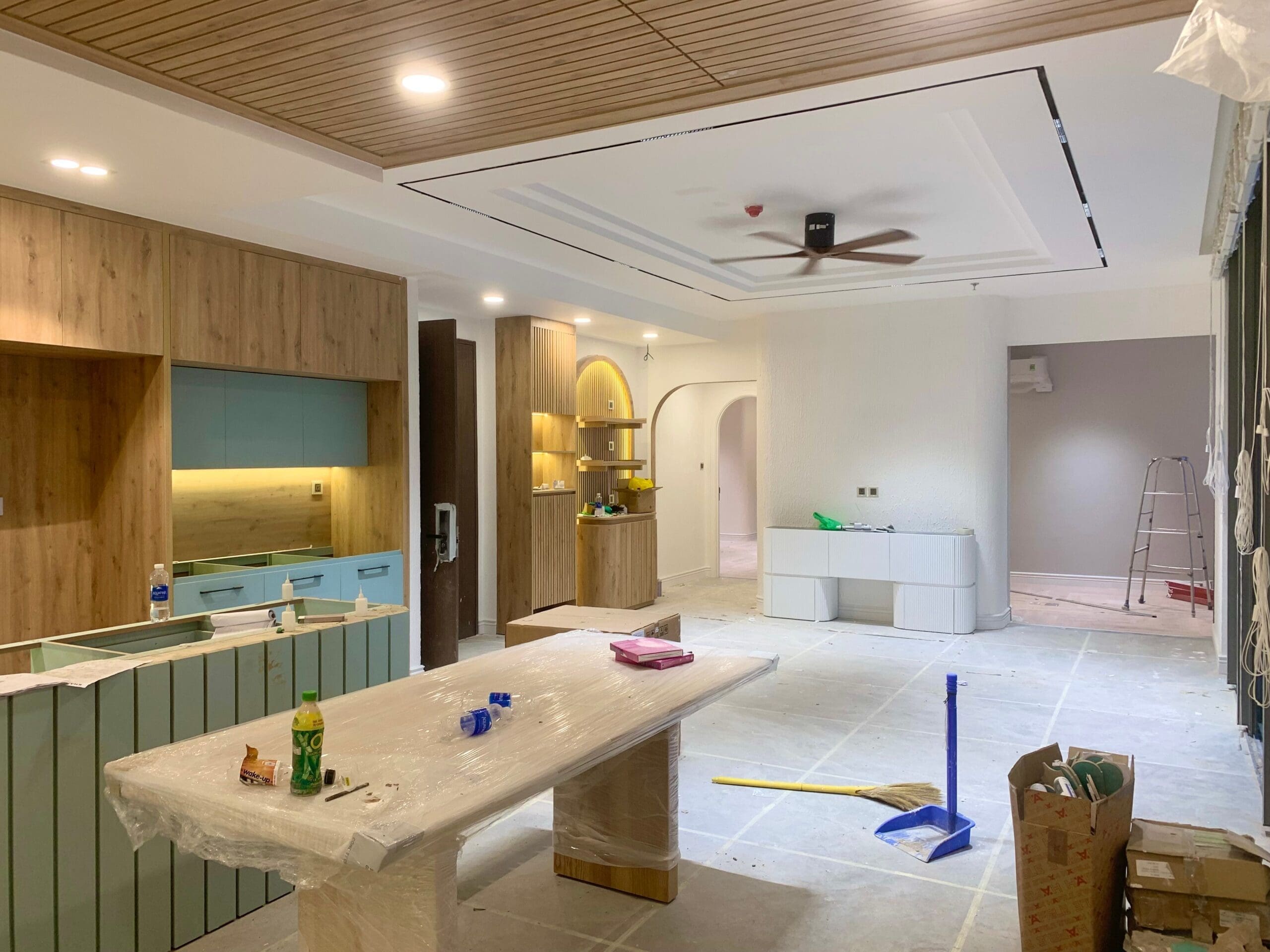
Should You Renovate Before Moving In or After? Pros, Cons & Expert Advice
Planning a home renovation in Vancouver or the Lower Mainland? Discover whether it’s better to renovate before moving in or after, and learn how to save time, money, and stress.
Should You Renovate Before Moving Into Your New Home?
You finally found the house.
The papers are signed. The keys are in your hand. You can already picture family dinners in the kitchen, relaxing evenings in the living room, and making the space your own.
Then reality sets in.
The kitchen isn’t functional.
The bathrooms feel outdated.
The flooring isn’t what you wanted.
The walls need painting.
Now you’re faced with one of the biggest decisions every new homeowner makes:
Should you renovate before moving in, or wait until after you’ve settled?
The answer depends on your budget, timeline, and the scope of work. However, for many homeowners, completing renovations before moving in can save significant time, money, and frustration.
Let’s look at both options.
Renovating Before You Move In
If you’re buying a home that needs updating, renovating before moving in is often the most efficient and cost-effective approach.
Pros
Your Home Is Empty
Without furniture, boxes, or everyday life getting in the way, contractors can work more efficiently.
Painters don’t need to cover furniture.
Flooring installers don’t need to move heavy items.
Cabinets and appliances can be installed without working around your belongings.
The renovation often moves faster and more smoothly.
You Only Move Once
Instead of moving in, unpacking, and later packing everything again for renovations, you’ll move directly into your completed home.
One move.
Less stress.
Less disruption.
Better Project Coordination
When the home is vacant, multiple trades can work more efficiently together.
Painters, electricians, plumbers, flooring installers, and cabinet installers can coordinate their schedules, helping reduce delays and keep your renovation on track.
Less Stress
You won’t be cooking in a temporary kitchen.
You won’t lose access to your bathroom.
You won’t be cleaning construction dust every day.
Instead, you’ll begin life in your new home exactly as you imagined it.
Cons
The biggest challenge is timing.
If your possession date is fixed, you’ll need to plan your renovation well in advance.
Depending on the scope of work, you may also need temporary accommodation if construction extends beyond your move-in date.
Renovating After You Move In
Sometimes moving in first is the right decision, especially if you prefer to spread renovation costs over time.
Pros
You Can Prioritize Projects
Living in your home helps you understand how you actually use each space.
You may discover that certain renovations are more important than you originally expected.
Greater Financial Flexibility
Buying a home often comes with unexpected expenses.
Waiting allows you to recover financially before beginning major renovations.
Renovate in Phases
Rather than renovating the entire home at once, you can update one room at a time over several months or years.
Cons
Living through renovations is rarely enjoyable.
Construction dust spreads throughout the house.
Noise starts early each morning.
Rooms become temporarily unusable.
Daily routines are constantly interrupted.
Depending on your renovation, you may lose access to your kitchen, bathrooms, laundry room, or other important living spaces.
The Hidden Cost of Living Through Renovations
Many homeowners budget for labour and materials but overlook the extra costs of staying in the home during construction.
These can include:
- Eating out because the kitchen isn’t usable
- Temporary accommodation
- Furniture storage
- Moving furniture multiple times
- Time away from work to coordinate contractors
- Additional cleaning due to dust
- Extra wear and tear on finished areas
These expenses can add up quickly and should be considered when planning your renovation budget.
So, When Is the Best Time to Renovate?
For major projects such as:
- Kitchen renovations
- Bathroom renovations
- Whole-home flooring
- Interior painting
- Electrical upgrades
- Plumbing updates
- Full home renovations
…the ideal time is before moving in.
An empty home allows work to progress faster, improves coordination between trades, and minimizes disruptions to your daily life.
For smaller projects, such as decorating, furnishing, installing window coverings, or updating light fixtures, it’s often perfectly reasonable to complete them after you’ve settled into your new home.
Planning Makes All the Difference
Whether you renovate before moving in or after, the most important step is having a clear plan before construction begins.
Choosing materials early, finalizing layouts, coordinating contractors, and establishing a realistic budget can help prevent costly delays, unnecessary changes, and unexpected expenses.
At Finesse Interior Solutions, I help homeowners throughout Vancouver and the Lower Mainland plan renovations with confidence. From space planning and material selections to contractor coordination and project guidance, my goal is to make the renovation process as organized and stress-free as possible.
The goal isn’t simply to renovate a house.
It’s to create a home that’s ready for the life you’ll build in it.
Thinking About Renovating Your New Home?
Whether you’ve recently purchased a home or are preparing to buy one, I’d be happy to help you determine the best time to renovate and develop a plan that fits your schedule, budget, and lifestyle.
The earlier you begin planning, the smoother and more enjoyable, your renovation journey will be.
