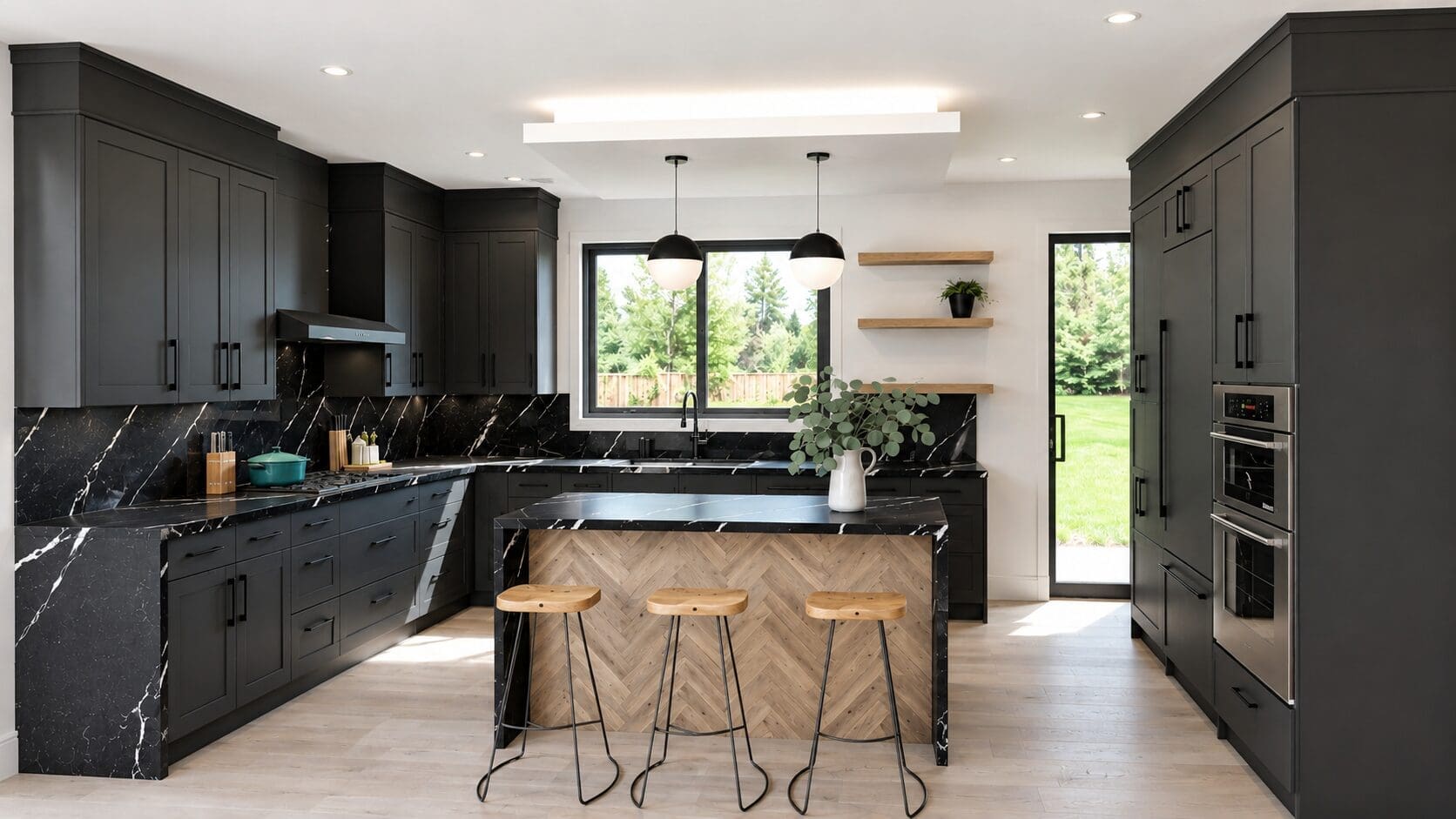
How to Create a Realistic Renovation Budget (Without Costly Surprises)
Planning a home renovation in Vancouver or the Lower Mainland? Learn how to create a realistic renovation budget, avoid hidden costs, and make confident decisions before construction begins.
Planning a Home Renovation?
You finally found the house you love.
Or maybe you’ve lived in your home for years and have decided it’s time to renovate.
You start collecting ideas on Pinterest, watching renovation shows, and imagining your dream kitchen, spa-like bathroom, or open-concept living space.
Then reality sets in.
One contractor gives you one number. Another gives you a completely different price. Friends tell you their renovation “only cost” a certain amount, until they mention everything that wasn’t included.
Suddenly, you’re wondering:
“How much should I actually budget for my renovation?”
The truth is, most renovation stress doesn’t come from spending money.
It comes from not knowing what the project will really cost.
The good news? With the right planning and guidance from an experienced interior designer, you can create a realistic renovation budget that helps you make informed decisions, avoid unexpected expenses, and enjoy the process with confidence.
Why Renovation Budgets Often Go Wrong
Many homeowners begin with a number they hope will cover everything.
Unfortunately, renovations don’t work that way.
Budgets often increase because important costs weren’t considered from the beginning, including:
- Design services
- Permit fees
- Demolition
- Structural changes
- Electrical or plumbing upgrades
- Material price increases
- Delivery charges
- Installation costs
- Temporary accommodations during construction
- Unexpected issues hidden behind walls
Older homes, in particular, can reveal surprises once demolition begins.
Water damage, outdated wiring, asbestos, mold, or structural deficiencies can all add costs that no one could have predicted before construction started.
This doesn’t mean your renovation is failing.
It simply means your renovation budget should include room for the unexpected.
Start With Your Priorities
Before choosing finishes or collecting contractor quotes, ask yourself:
- What problem am I trying to solve?
- Which rooms will improve my daily life the most?
- What features matter most?
- What can wait for a future phase?
When every wish becomes a “must-have,” the budget quickly grows beyond expectations.
Knowing your priorities helps you spend money where it will have the greatest impact.
Don’t Forget the Hidden Renovation Costs
Many homeowners budget only for cabinets, flooring, countertops, or fixtures.
But a renovation includes much more than visible finishes.
Common hidden costs include:
- Interior design and planning fees
- Engineering or architectural drawings
- Municipal permits
- Site protection and cleanup
- Waste disposal bins
- Material delivery
- Appliance installation
- Painting
- Hardware
- Lighting upgrades
- Flooring transitions
- Taxes
- Final cleaning
These items can add thousands of dollars if they aren’t included in your original budget.
A complete renovation budget accounts for every phase of the project, not just the products you can see.
Always Include a Contingency Fund
One of the smartest financial decisions you can make is setting aside a contingency fund.
Even the best-planned renovation can uncover unexpected conditions once work begins.
A contingency fund gives you flexibility without creating unnecessary stress.
As a general guideline:
- 10% contingency for newer homes or cosmetic renovations
- 15–20% contingency for older homes or major remodels involving plumbing, electrical, or structural work
If you don’t end up needing it, that’s great.
But if surprises arise, you’re prepared instead of scrambling to find additional funds.
Think of it as peace of mind built into your renovation budget.
Where to Invest More
Not everything in your home carries the same long-term value.
Some investments pay off every single day.
Quality Cabinetry
Cabinets are one of the hardest and most expensive items to replace later.
Well-built cabinetry provides better durability, functionality, and storage for many years.
Countertops
Kitchen countertops receive constant daily use.
Choosing durable materials such as quartz can reduce maintenance while increasing longevity.
Professional Interior Design
Thoughtful planning prevents expensive mistakes before construction begins.
Working with an interior designer helps ensure your renovation functions well, suits your lifestyle, and avoids costly changes during construction.
Lighting
Lighting dramatically changes how a home looks and feels.
A well-designed lighting plan improves both function and atmosphere throughout your home.
Where You Can Save Money
Saving money doesn’t always mean choosing the cheapest option.
It means investing wisely.
Depending on your project, you may save by:
- Keeping the existing layout when possible
- Refinishing rather than replacing certain items
- Choosing quality mid-range finishes instead of luxury brands
- Mixing premium materials with more affordable selections
- Completing your renovation in carefully planned phases
Small, strategic decisions throughout the project can significantly reduce overall renovation costs without sacrificing the final result.
Think Beyond Today’s Budget
It’s easy to focus only on the upfront cost.
But a renovation is also an investment in how you live every day.
Choosing durable materials, efficient layouts, and timeless design often saves money over time by reducing maintenance, repairs, and the need for future renovations.
The lowest quote isn’t always the best value.
The best value comes from making decisions you’ll still appreciate years from now.
How Professional Planning Saves Money
One of the biggest misconceptions is that hiring an interior designer increases renovation costs.
In reality, professional planning often saves homeowners money by helping them avoid expensive mistakes before construction begins.
With a complete design plan in place, you’ll make important decisions early rather than changing them midway through the project.
That means:
- Fewer change orders
- Better coordination between trades
- More accurate material quantities
- Better budgeting
- Less wasted time
- Fewer costly surprises
Good planning doesn’t eliminate every unexpected expense, but it greatly reduces them.
Ready to Plan Your Renovation?
A successful renovation isn’t about having the biggest budget.
It’s about having the right plan.
When you understand the full scope of your project, prepare for unexpected costs, and invest wisely, you’ll make confident decisions from start to finish.
At Finesse Interior Solutions, I help homeowners throughout Vancouver and the Lower Mainland create realistic renovation budgets before construction begins. From design planning and material selections to contractor coordination and budgeting, my goal is to help you avoid costly surprises and create a home you’ll love for years to come.
If you’re planning a renovation, I’d love to help you build a budget that works for your home, your lifestyle, and your long-term goals.
